.png)
Photo: ESAO image bank
Starting an olive oil business, or more specifically, starting an olive oil sector business, may seem like a romantic idea or a rural project with a certain charm. However, in reality, it is a strategic decision that requires business vision, technical knowledge, and a clear roadmap. The EVOO (Extra Virgin Olive Oil) market has evolved, and today there are great opportunities… but also strong competition for those who want to launch an EVOO brand in an increasingly demanding environment.
Why Do You Need a Business Plan if You Want to Invest in the Olive Oil Sector?
Entrepreneurship in the olive oil world goes far beyond owning a farm, a mill, or having a passion for the countryside. In today’s context, where product quality alone is no longer enough to stand out, a good EVOO business plan is everything.
Without it, you can lose money, time, energy, and opportunities. With it, you can move forward with clarity, make informed decisions, and attract EVOO investors, partners, distributors, or even financing.
Producing good oil is no longer enough. You need positioning, planning, margin calculation, channel validation, evaluation of EVOO business viability, and growth projections.
Olive Oil: A Sector with Opportunities… and Risks
The EVOO sector offers clear advantages:
-
Growing global demand for healthy and sustainable foods
-
Interest in products with origin, history, and traceability
-
Export potential even for small brands
-
Versatility of formats, audiences, and sales channels
But it also presents challenges:
-
Need for advanced training and professionalization
-
High price competition
-
Poorly educated end consumers
-
Rising production costs
-
Distribution concentrated among few players
-
Extreme differentiation required to position premium EVOO
In the minds of many entrepreneurs, launching an olive oil project is perceived as something natural, almost instinctive. It often starts with a romantic idea: “I have olive trees” or “I am passionate about EVOO,” assuming everything else will fall into place. In practice, however, starting without a plan is one of the main causes of failure—especially in a sector as particular as the olive oil industry.
Olive oil has its own rules. It does not behave like just any product. Its production cycle is seasonal, margins depend on unpredictable climatic and agronomic factors, and the end consumer often cannot distinguish a premium oil from a basic one. This makes it essential for any business idea to have a clear, realistic, and well-documented strategic structure.
Common Mistakes When Launching an EVOO Brand
Many of the mistakes we see at ESAO are repeated time and again:
-
Launching a brand without knowing the real cost per liter
-
Investing in expensive design without validating the sales channel
-
Believing that good quality alone guarantees sales
-
Not calculating how much time and money are needed to recover the investment
-
Failing to clearly define the target customer and sales message
-
Overlooking hidden costs such as certifications, EVOO labeling, transport, or storage.
These mistakes are not due to bad intentions or lack of passion. They result from not going through the structured reflection that a solid business plan forces you to undertake. A plan is not just a document—it is a process that compels you to ask the right questions before investing. It allows you to identify weaknesses, anticipate adverse scenarios, and make decisions with confidence.
In the olive oil world, where a single mistake can cost you an entire campaign, improvisation is not an option. Having a good idea represents only 10%. The remaining 90% is planning, calculation, validation, strategy, and execution.
That is why a business plan adapted to the olive oil sector is not just advisable—it is essential. It is what allows you to move from having a nice idea… to building a profitable, solid brand with a future. In fact, within the ESAO MBA we have established a specific, customized module focused precisely on this area.
What Makes a Business Plan in the Olive Oil Sector Different?
-
It includes production seasonality
-
It accounts for the impact of oil yield on costs
-
It considers sensory and physicochemical analysis requirements
-
It integrates the real cost of certifications and labeling
-
It assumes a campaign-based sales cycle
-
It requires an emotional and gastronomic branding approach to develop a premium EVOO brand
What Should a Good Business Plan in the Olive Oil Sector Include?
A well-designed plan allows you to visualize the entire project cycle, from the initial idea to the first sales. Below are its key sections, fully adapted to the EVOO world.
1. Project Identity
Define who you are and what your purpose is. Key questions include:
-
Why do you want to start a business in the olive oil sector?
-
What is your differential value proposition?
-
Who is your target audience?
-
What type of oil will you offer?
-
Will it be your own brand or production for third parties?
To answer these questions, we recommend conducting basic market research.
2. Market Analysis
A solid analysis should answer:
-
Which consumption trends are growing?
-
Who are your competitors and what do they offer?
-
Where are the real positioning opportunities?
-
What price levels exist in your target segment?
-
Which formats have the highest demand?
Here, an EVOO market study is essential to gain a realistic view of your competitive environment.
3. Cost and Margin Estimation
This is where many entrepreneurs fail. Underestimating costs and overestimating sales is a classic mistake.
Your plan should include:
-
Cost per liter: from olives to bottling
-
Fixed costs: design, website, consultancy, certifications, etc.
-
Variable costs: bottles, labels, logistics
-
Expected selling price
-
Gross and net margins
-
Break-even point
Develop different scenarios—conservative, realistic, and optimistic—as part of a proper EVOO profitability analysis.
4. Brand and Communication Plan
There is no product without a brand—especially when competing at higher price points.
Your plan should include:
-
Brand name and storytelling
-
Visual identity (logo, typography, colors)
-
Positioning (premium, gourmet, healthy, etc.)
-
Clear and functional website
-
Social media and digital marketing strategy for EVOO
-
Commercial dossier for distributors
-
Presence at EVOO events and trade fairs as part of the launch plan
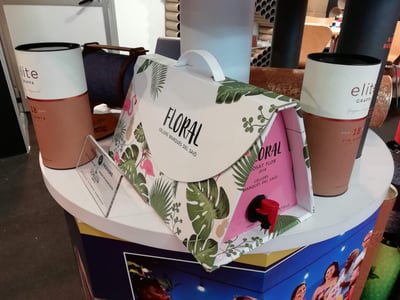
Photo: ESAO image bank
5. Production and Bottling
Do you own your own farm and mill, or will you purchase bulk oil from third parties? Both options are valid but must be carefully planned.
Your plan should specify:
-
Oil origin
-
Production method (conventional, organic, etc.)
-
Quality control and analysis
-
Bottling location and process
-
Traceability
-
Shelf life and storage conditions
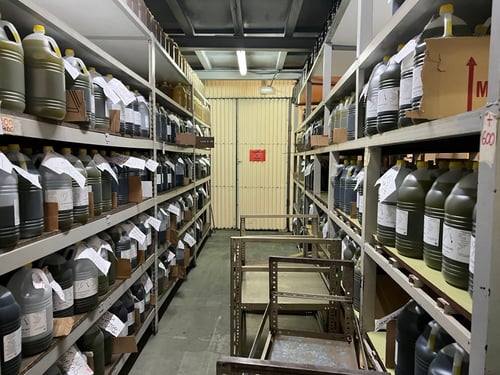
Photo: ESAO image bank
6. Distribution Channels
Where will you sell?
-
Direct sales (online, physical store, fairs)
-
Gourmet distribution
-
Specialty shops
-
Export markets
-
HORECA (hotels, restaurants, catering)
Each channel has its own costs and conditions. Retail prices must be adjusted accordingly, and margins carefully planned.
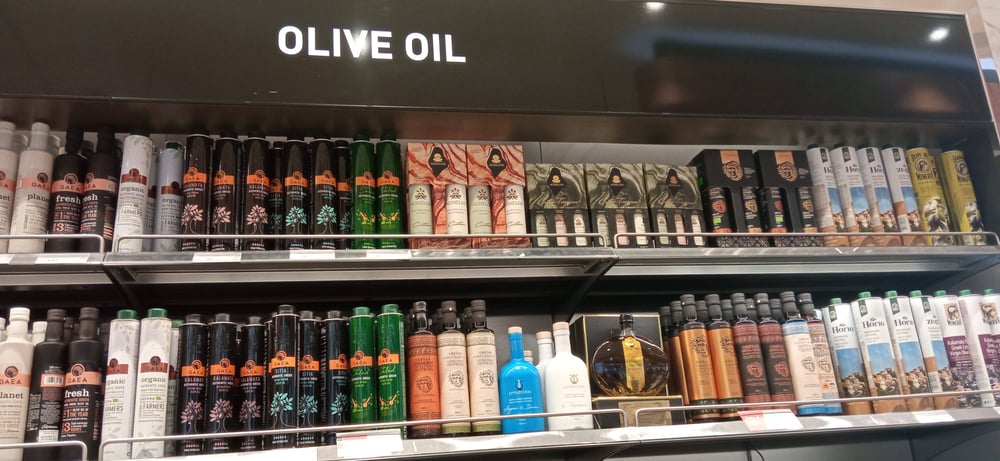
Photo: ESAO image bank
7. Legal Requirements and Certifications
It is essential to consider all olive oil sector regulations:
-
Trademark registration
-
Health registration
-
Legal labeling
-
Analysis certificates
-
Optional certifications (Organic, Kosher, Halal, etc.)
If you plan to export, also include:
-
-
Quality certifications
-
Multilingual labeling
-
Destination-specific regulations
-
8. Team and Collaborators
Who will handle each area?
-
Will you work alone or with partners?
-
Who oversees production?
-
Who manages marketing?
-
Who handles sales?
-
Who provides legal and financial advice?
Many projects fail due to poor delegation or lack of expertise at critical stages.
9. Financial Projection
Include an Excel file with key financial information such as:
-
Estimated initial investment
-
Production and structural costs
-
Monthly sales forecasts
-
Net profit
-
Break-even point
-
Estimated return on investment (ROI)
This allows you to evaluate EVOO business viability before investing.
10. Timeline
Define your roadmap in phases:
-
Research
-
Brand development
-
Initial production
-
Launch
-
Sales and feedback
-
Expansion
This helps visualize when resources are needed and when revenue will begin.
If you lack experience in the sector, this is not a problem. The MBA content is designed for those starting from scratch, with a personalized module and access to experts with proven experience in the olive oil sector.
More and more entrepreneurs are launching EVOO brands without owning a farm. The key lies in:
-
Understanding the market
-
Learning from mistakes
-
Receiving professional guidance
-
Combining technical and business training
At ESAO, we have supported dozens of entrepreneurs in launching profitable brands. Ask for the MBA dossier if you want to move forward with a solid plan, including EVOO investor exit strategies where appropriate.
Cada vez más emprendedores lanzan marca AOVE sin tener finca. La clave está en:
-
Comprender el mercado
-
Aprender de los errores
-
Recibir asesoramiento
-
Formación técnica y empresarial
Recommendation: Do Not Start Without a Plan
Your idea may be brilliant. But if you do not translate it into numbers, channels, and concrete tasks, you will not move forward. A good business plan makes the difference between a successful brand and a frustrating project.
- Request the free ESAO MBA dossier for EVOO entrepreneurs.
- Download the free guide for entrepreneurs and investors in the olive oil sector
What If I Am Not a Technician? What If I Do Not Own a Farm?
This is not an obstacle. Today, you can create a successful EVOO brand without owning olive trees. What you need is strategy, training, and a strong network of collaborators.
At the ESAO MBA, we support you step by step, with personalized sessions and a specific module tailored to your idea.
Professionalize Your Idea from the Start
Starting an olive oil business is possible, profitable, and highly rewarding… if done with sound judgment. Do not improvise or copy others. Design your plan, seek proper training, and surround yourself with professionals.
Iniciar un negocio de aceite de oliva es posible, rentable y muy satisfactorio… si lo haces con criterio. No improvises, no copies lo que hacen otros. Traza tu plan, busca formación adecuada y rodearte de profesionales.
Authorship and Review
Content developed by the academic team of the Olive Oil School of Spain (ESAO), under the technical supervision of Susana Romera, Technical Director and Co-Founder of ESAO.
Our faculty of associated experts, with extensive international experience in the olive oil sector, is selected on a personalized basis according to the subject matter and specific needs of each project, ensuring the highest level of quality, rigor, and practical applicability.