.png)
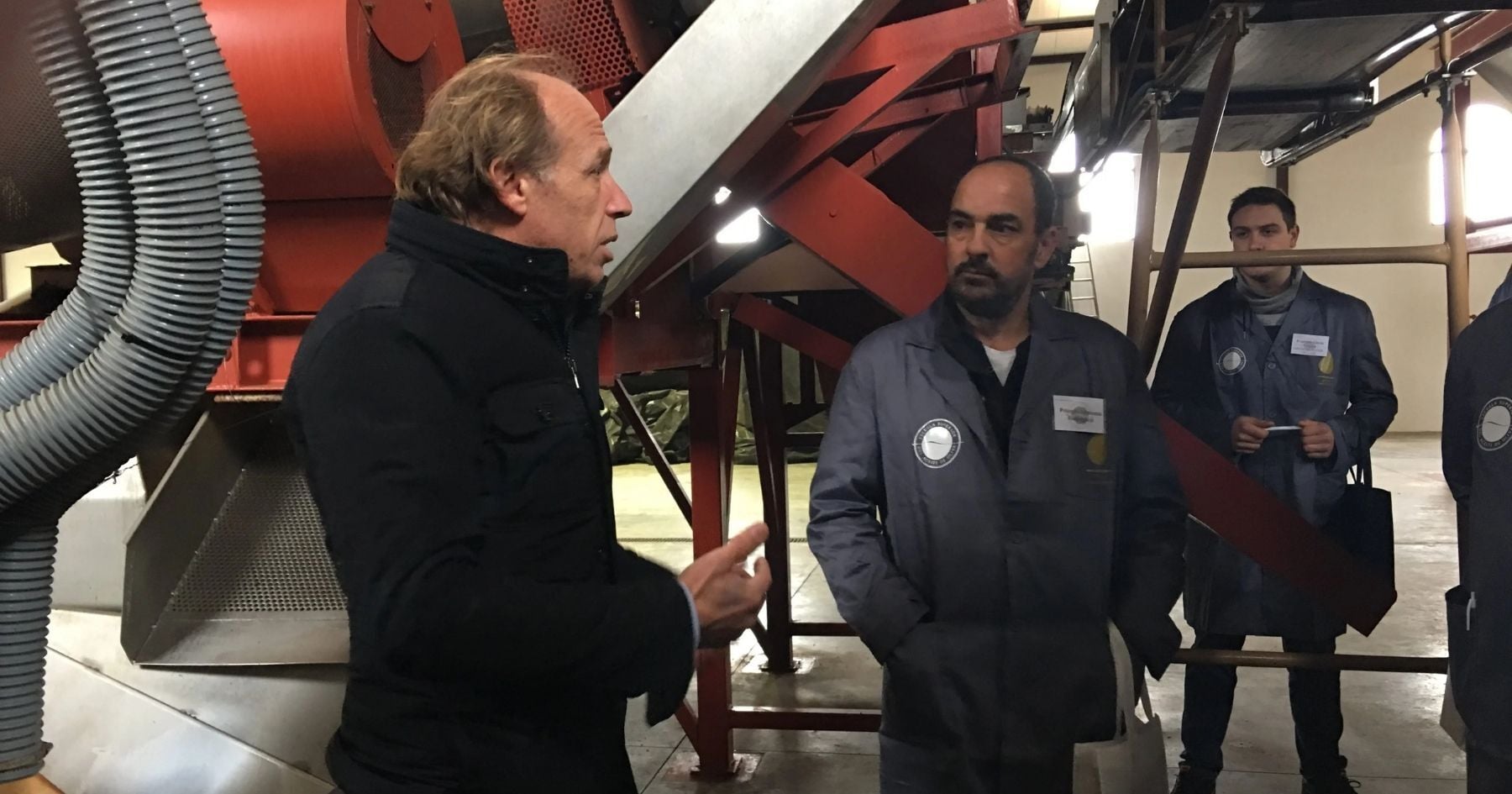
Source: ESAO image bank.
In the management of a modern olive oil mill, every detail matters. One of the key factors influencing competitiveness is energy efficiency in your olive oil mill. This is not only about reducing costs: it is about sustainability, brand positioning, and the ability to compete internationally. Improving energy efficiency in your olive oil mill is essential to boosting olive oil mill profitability and strengthening long-term business growth.
Energy consumption represents between 10% and 20% of an olive oil mill’s operating costs. Without a clear strategy, that percentage can grow uncontrollably, directly affecting olive oil mill profitability and drastically reducing margins.
Below, we analyze the key actions to improve energy efficiency in your olive oil mill and, as a result, increase profits.
If you are interested in learning how other mills have successfully increased efficiency and profitability, you can explore: Profitability and modernization of olive oil mills: success stories
1. Measurement and control: the starting point
The most common mistake is not knowing exactly where energy is being consumed. Without measurement, there is no management.
Recommendations:
- Install sub-meters in critical processes such as malaxation, centrifugation, or tank climate control.
- Conduct a basic energy audit at the beginning of the season.
- Record consumption data in a simple system (Excel, ERP, or specialized software).
With this data, you will be able to identify unnecessary energy consumption and start optimizing processes in the olive oil mill.
2. Malaxation optimization: less energy, more quality
Malaxation is one of the most energy-intensive processes. Excessively high temperatures or extended processing times increase electricity consumption and negatively impact the oil’s sensory quality.
Best practices:
- Maintain temperatures between 22–27 °C depending on variety and fruit condition.
- Avoid unnecessary malaxation times.
- Check thermal insulation of malaxers to reduce energy losses.
The benefit is twofold: energy savings and improved EVOO quality.
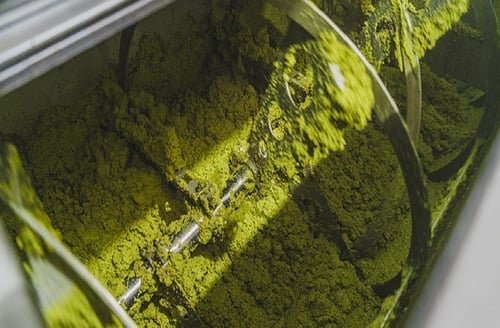
Source: ESAO image bank.
3. Waste heat recovery
In many olive oil mills, heat generated by machinery is simply lost. With small technical adjustments, this heat can be reused to reduce energy consumption.
- Heat exchangers to preheat water.
- Redirecting engine room heat to warm storage tanks.
- Exploring cogeneration systems in larger facilities.
Although it requires initial investment, the return is usually fast and further strengthens energy efficiency in your olive oil mill.
4. Lighting and auxiliary equipment
Many mills still operate with outdated lighting systems or inefficient motors.
- Replace lighting with industrial LED systems.
- Install variable frequency drives on high-consumption motors.
- Switch off auxiliary equipment when not in use.
Small measures that can generate up to a 15% annual energy saving while improving competitiveness.
5. Engaging staff in efficient habits
Energy efficiency in your olive oil mill depends not only on machinery but also on people. If operators are not aware and engaged, investments lose effectiveness.
- Train staff in energy-saving practices.
- Establish clear protocols (closing doors, switching off equipment, cleaning schedules).
- Recognize team efforts when targets are achieved.
Small cultural changes can generate significant improvements in olive oil mill profitability.
Conclusion: efficiency as strategy
Energy efficiency in your olive oil mill is not an isolated objective but part of a broader strategy to make the mill more profitable, competitive, and sustainable.
Reducing consumption, optimizing processes, and training staff are essential steps. However, isolated measures are not enough — a comprehensive approach connecting efficiency, quality, and profitability is required.
Important note
This post provides a practical introduction, but it does not replace comprehensive and rigorous training. In the ESAO Executive MBA – Olive Oil Business Consultancy , energy efficiency is studied as part of a global professionalization plan, from technical management to commercial and export strategy.
If you want to transform your olive oil mill into a profitable and internationally competitive business, advanced training is the path forward.