.png)
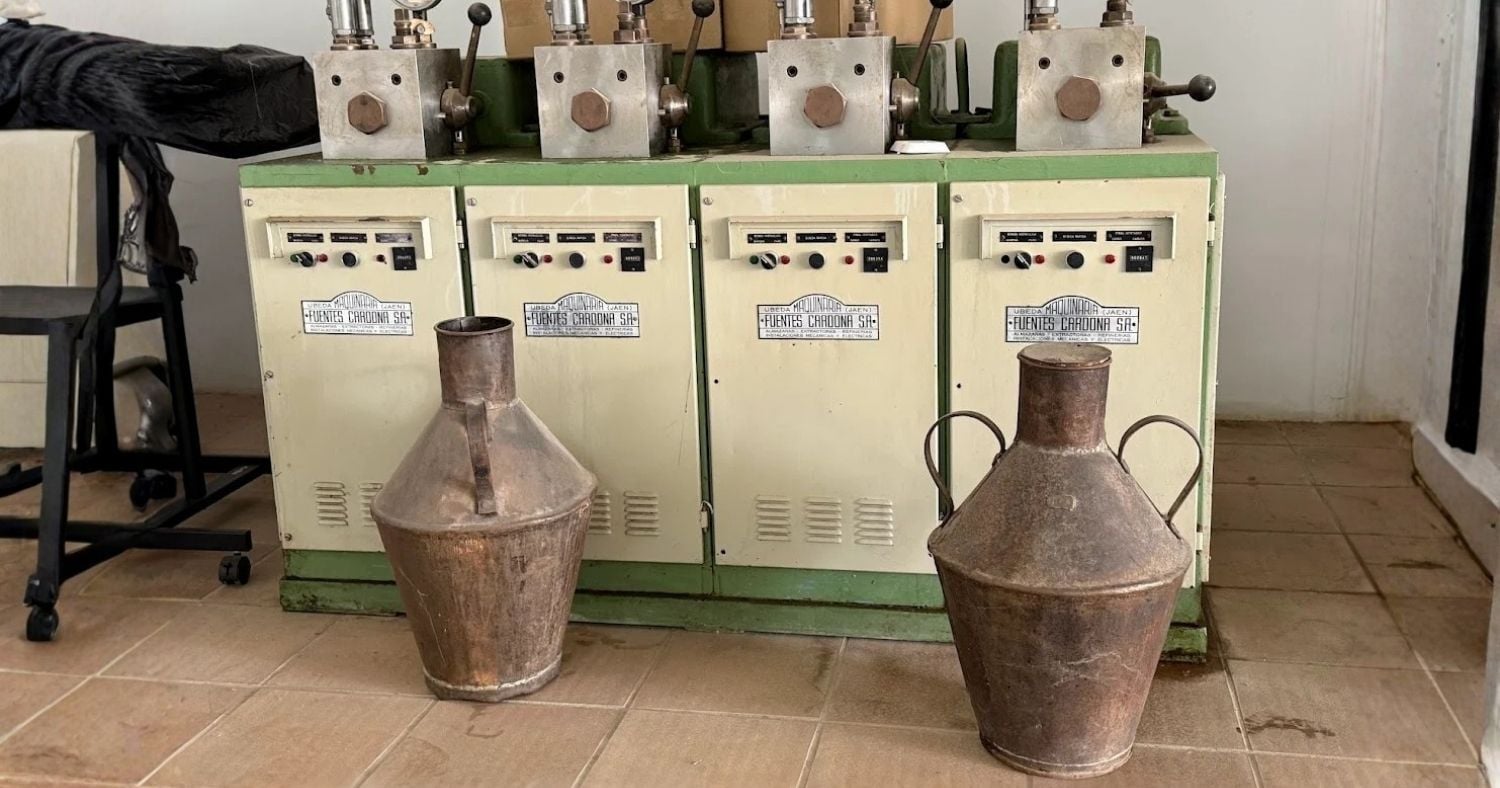
Source: ESAO Image Bank
In the olive oil sector, many family businesses find themselves at the same crossroads: preserving the tradition that made them unique or taking the leap toward modernization. The story of Olive Oil Mill Z (a fictional example based on real cases) reflects how a company with more than six decades of experience decided to commit to innovation in an olive oil mill and managed to transform its profitability in olive oil mills without losing its essence.
The starting point: strong tradition but limited growth
For 60 years, Olive Oil Mill Z was recognized in its region for producing oils with good EVOO quality. However, its problems were the same ones faced by many traditional family-owned mills that today are considered a low-profit olive oil mill:
-
Dependence on bulk sales, with low margins and little control over prices.
-
Obsolete machinery, generating inefficiencies and losses in EVOO quality.
-
Limited commercial presence beyond the local market.
-
Lack of a digital marketing or internationalization strategy.
-
Lack of olive oil mill certifications to strengthen its positioning in premium markets.
The result was a stable business, but without the ability to grow, improve profitability in olive oil mills, or compete in higher value-added segments.
The change: committing to innovation
The new generation leading the mill decided it was time to modernize and move toward professionalization in your olive oil mill as a management model. Their vision was clear: innovate without losing tradition and optimize the olive oil mill from within.
Actions implemented:
-
Technological renewal: incorporation of milling lines with temperature control and more efficient malaxation systems, improving operational efficiency in the olive oil mill.
-
Digitalization in the olive oil mill: installation of management software for EVOO traceability, KPI analysis, quality management in the olive oil mill, and energy cost control.
-
Product diversification: development of monovarietal EVOOs and limited editions for gourmet niches, increasing the perception of EVOO quality.
-
Marketing and export: creation of a proprietary brand with storytelling that combined family heritage and technological innovation.
-
Sustainability: investment in renewable energy (solar panels) and use of by-products such as olive pits for biomass, improving energy efficiency in your olive oil mill.
The results: a measurable transformation
In just five years, Olive Oil Mill Z experienced remarkable progress toward olive oil mill success:
-
40% increase in turnover, with a greater share of bottled oils versus bulk sales.
-
20% reduction in energy costs, thanks to digitalization in the olive oil mill and the use of clean energy.
-
Significant improvement in energy efficiency in your olive oil mill and optimization of production processes.
-
International expansion, entering markets in Asia and North America.
-
Obtaining olive oil mill certifications and recognition in international competitions, strengthening its premium brand image.
The key was not abandoning tradition, but turning it into a competitive advantage through strategic management focused on operational efficiency in the olive oil mill.
Tradition as a differentiating asset
One of the biggest lessons from this case of innovation in an olive oil mill is that tradition is not a burden, but an asset. Olive Oil Mill Z integrated its family history into its brand narrative, highlighting the authenticity and know-how passed down through generations.
This generated:
-
An emotional connection with consumers.
-
Greater credibility in international markets.
-
Differentiation from younger brands without legacy.
-
Stronger positioning thanks to solid quality management in the olive oil mill.
Challenges faced during the process
The transformation was not without difficulties.
-
Resistance to change among staff: some workers did not understand the need for new protocols associated with digitalization in the olive oil mill and EVOO traceability. This was resolved through training and practical workshops.
-
High initial investment: technological modernization required external financing. They addressed it with a gradual plan and public support.
-
Risk management in new markets: entering export markets involved promotion and trade fair costs. This was minimized through alliances with local distributors.
Overcoming these challenges showed that innovation in an olive oil mill requires strategic vision, strong leadership, and a commitment to professionalization in your olive oil mill.
How to replicate this model in your olive oil mill
The olive oil mill success of Olive Oil Mill Z is neither unique nor unrepeatable. Any manager or owner can apply the same principles to optimize the olive oil mill and improve profitability in olive oil mills:
-
Initial diagnosis: identify weak points in processes, commercialization, energy efficiency in your olive oil mill, and profitability.
-
Progressive innovation plan: start with one area (EVOO traceability, digitalization in the olive oil mill) and expand little by little.
-
Strategic training: acquire knowledge in management, marketing, olive oil mill certifications, and export.
-
Leverage tradition: use family history as a marketing tool.
-
Measure results with clear KPIs: operational efficiency in the olive oil mill, percentage of premium extra virgin olive oil, production costs, and quality management in the olive oil mill standards.
The key is to balance tradition with innovation in order to grow sustainably and avoid becoming a low-profit olive oil mill.
Conclusion
The experience of Olive Oil Mill Z shows that committing to innovation in an olive oil mill as a strategic driver does not mean losing identity, but strengthening it. Thanks to technology, digitalization in the olive oil mill, improvements in energy efficiency in your olive oil mill, and a commitment to EVOO quality, the company transformed its business model and went from being a local producer to a recognized player in international markets.
Important note
This post is an inspiring guide, but real transformation can only be achieved through strategic training applied to the olive oil sector.
In the ESAO Executive MBA – Olive Oil Business Consultancy, we work on innovation as an essential part of professionalization in your olive oil mill: from operational efficiency in the olive oil mill to brand development, quality management in the olive oil mill, and international expansion.
If you want to optimize the olive oil mill, improve profitability in olive oil mills, and achieve olive oil mill success by combining tradition and innovation, the ESAO MBA is your next step.