.png)
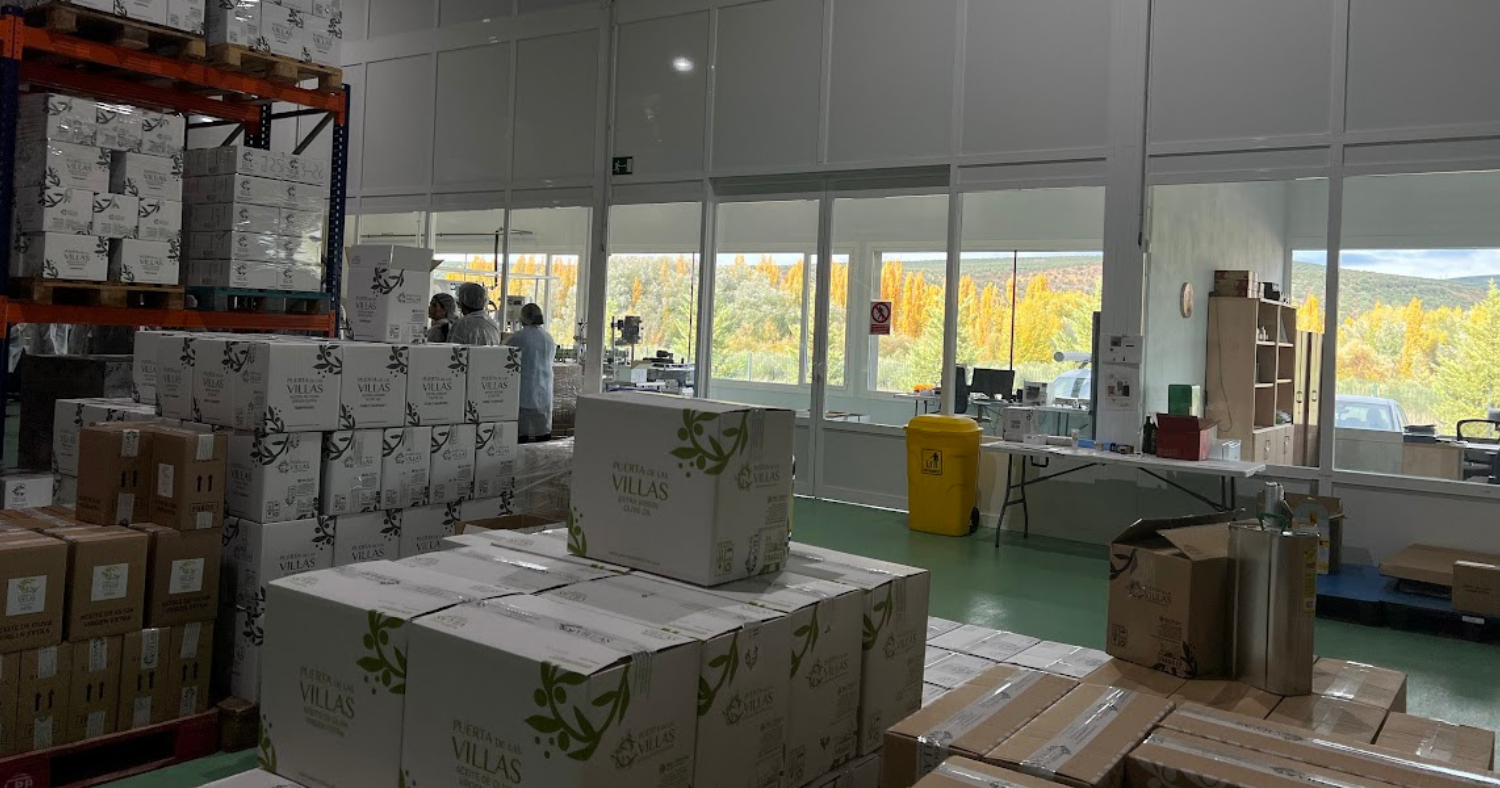
Source: visit to Puerta de las Villas during ESAO’s onsite training
In the olive oil sector, achieving Olive oil mill certifications is not just a quality seal, but a true passport to entering new markets. More and more distributors, importers, and retail chains require verifiable proof that the olive oil complies with international standards for safety, EVOO traceability, and sustainability.
In this article, we analyze the Olive oil mill success stories of Olive Mill B, which managed to obtain key olive oil mill certifications and significantly increase its exports. We will explore the steps the company followed, the obstacles it faced, and the lessons that can help any olive mill owner or manager achieve a competitive advantage and reach true olive mill success.
The importance of certifications in an olive oil mill
Olive oil mill certifications fulfill three essential functions:
-
Building trust among international customers and consumers.
-
Standardizing internal processes to improve olive mill quality management and traceability.
-
Accessing new markets where certifications are a legal or commercial requirement.
They are also a key step toward professionalization in your olive mill and improving olive mill operational efficiency.
Some of the most relevant certifications for the olive oil sector include:
-
ISO food safety certifications.
-
IFS Food and BRC, highly valued by European retail chains.
-
Organic certifications (EU Organic, USDA Organic).
-
Sustainability and carbon footprint certifications (Carbon Trust, ISO 14064).
Without these certifications, the door to many international markets remains closed, especially for companies that have not managed to optimize their olive mill or improve their positioning.
The starting point of Olive Mill B
Olive Mill B was a family-owned business with 15 years of experience, located in southeastern Spain. Although it produced excellent olive oil and had won several national awards, almost 100% of its sales were concentrated in the local market and small regional distributors.
The manager identified two major problems:
-
Dependence on the domestic market and very tight pricing.
-
Difficulties in closing deals with international importers due to a lack of certifications.
The management team realized that the key to growth lay in obtaining international olive oil mill certifications.
First step: internal audit and diagnosis
The first step was to carry out a complete assessment of the situation:
-
Condition of the facilities and compliance with international regulations.
-
Traceability procedures from olive reception to bottling, essential for ensuring EVOO traceability.
-
Food safety protocols and critical control point management.
-
Staff training in hygiene and best practices.
Several shortcomings were identified, including the lack of digitalized records, highlighting the need to advance in olive mill digitalization, as well as poorly standardized cleaning protocols.
Second step: choosing the right certifications
Not all certifications were necessary at the beginning. Olive Mill B prioritized:
-
ISO 22000: to strengthen food safety.
-
IFS Food: required by several European clients.
-
Organic certification: aligned with part of its production already focused on organic products.
This approach allowed the company to focus on what truly added value to its export strategy and the improvement of EVOO quality.
Third step: implementation and changes in the olive mill
Over the course of a year, the company introduced major changes:
-
Partial renovation of the bottling line to comply with safety standards.
-
Implementation of traceability software throughout the production chain, reinforcing olive mill digitalization.
-
Continuous staff training on cleaning, quality controls, and record management.
-
Creation of a best practices manual and documented procedures.
In addition, improvements were made in energy efficiency in the olive mill, reducing operational costs and improving sustainability.
Although the investment was significant (around €60,000 fictitiously), the manager viewed it as a long-term commitment.
Fourth step: external audit and certification
Once the systems were implemented, the company contacted an internationally recognized certification body. After an initial audit with minor non-conformities, Olive Mill B corrected issues related to documentation records and equipment calibration.
Nine months later, the company finally obtained all three certifications.
Results: how certifications boosted exports
Over the next two years, the results were clear:
-
35% increase in revenue thanks to contracts with distributors in Germany and France.
-
Entry into gourmet retail chains in Scandinavia that required organic certification.
-
Improved internal efficiency: a 12% reduction in product losses, optimizing olive mill operational efficiency.
-
Higher employee motivation as staff felt part of a more professionalized project.
The manager summarized the experience with a clear statement: “The greatest value of certifications in our olive mill was not the certificate itself, but the cultural change it created throughout the entire team.”
Key lessons learned
Several conclusions can be drawn from the case of Olive Mill B:
-
Olive oil mill certifications are a strategic investment, not an expense.
-
It is essential to choose certifications aligned with the company’s market strategy.
-
The transformation requires time, investment, and commitment from the entire organization.
-
Beyond external recognition, certifications improve internal management and help optimize the olive mill comprehensively.
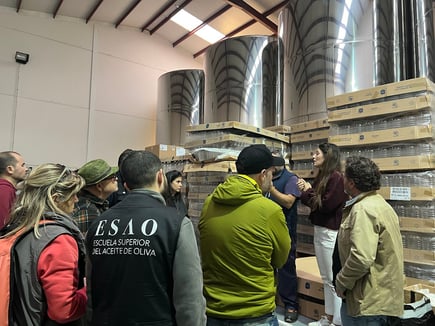
Source: visit to Puerta de las Villas during ESAO’s onsite training
Conclusion
The experience of Olive Mill B shows that investing in international olive oil mill certifications can mark a turning point in a company’s ability to export and grow. However, it is a path that requires preparation, strategic vision, and above all, knowledge.
In an increasingly competitive market, olive mill owners and managers who do not invest in professionalization, olive mill digitalization, and improving olive mill profitability will be left out of the main international distribution channels.
Important note
This article is an introduction and uses fictional examples for illustrative purposes. Achieving certifications and designing a strong international strategy requires specialized training and expert guidance.
If you want to learn how to position your brand in international markets, design profitable export strategies, and differentiate your EVOO in an increasingly competitive environment, the Master in International Olive Oil Marketing offers specialized training for olive mill owners, managers, and professionals who want to boost their olive oil commercialization, access new markets, and increase the profitability of their olive mill through a professional strategy focused on the global market.