.png)
In the olive oil sector, improving operational efficiency in the olive oil mill does not simply mean producing more liters of oil, but doing so with lower costs, fewer losses, and higher final quality. When a low-profit olive oil mill does not control its processes, efficiency declines and olive oil mill profitability is seriously compromised. Efficiency is the point where technique, management, and strategic business vision converge.
In this article, we analyze a successful transformation of operational efficiency in the olive oil mill through a fictional case based on real situations: the evolution of Olive Oil Mill X, a representative example of how to optimize an olive oil mill through processes of professionalization in your olive oil mill and innovation in the olive oil mill.
The starting point: poorly optimized processes
Olive Oil Mill X processed around 800 tons of olives per harvest season. Although it produced oils that were organoleptically correct, the economic results were not satisfactory and olive oil mill profitability was limited by poorly structured management and a low-profit olive oil mill in operational terms.
After an internal analysis, several key problems were identified:
- Excessively manual processes with a low level of control, without systems of Digitalization in Olive Oil Mills.
- Lack of key indicators of operational efficiency in the olive oil mill (yield, consumption, downtime).
- Storage systems with oxidation losses and poor temperature control, affecting EVOO quality.
- High energy costs due to the absence of a strategy for energy efficiency in your olive oil mill.
The consequence was clear: low profitability, difficulty scaling the business, and limited ability to compete in demanding markets.
A change of approach: professionalizing operational efficiency
Faced with this situation, management decided to implement a professionalization plan in your olive oil mill to improve operational efficiency in the olive oil mill, focusing on data-driven management based on control and continuous improvement.
The main actions included:
- Process mapping: detailed documentation of each stage, from olive reception to bottling.
- Implementation of operational KPIs: oil yield, energy consumption per liter produced, malaxation times and temperatures.
- Energy efficiency in your olive oil mill: replacing obsolete equipment and reorganizing schedules to reduce electricity consumption.
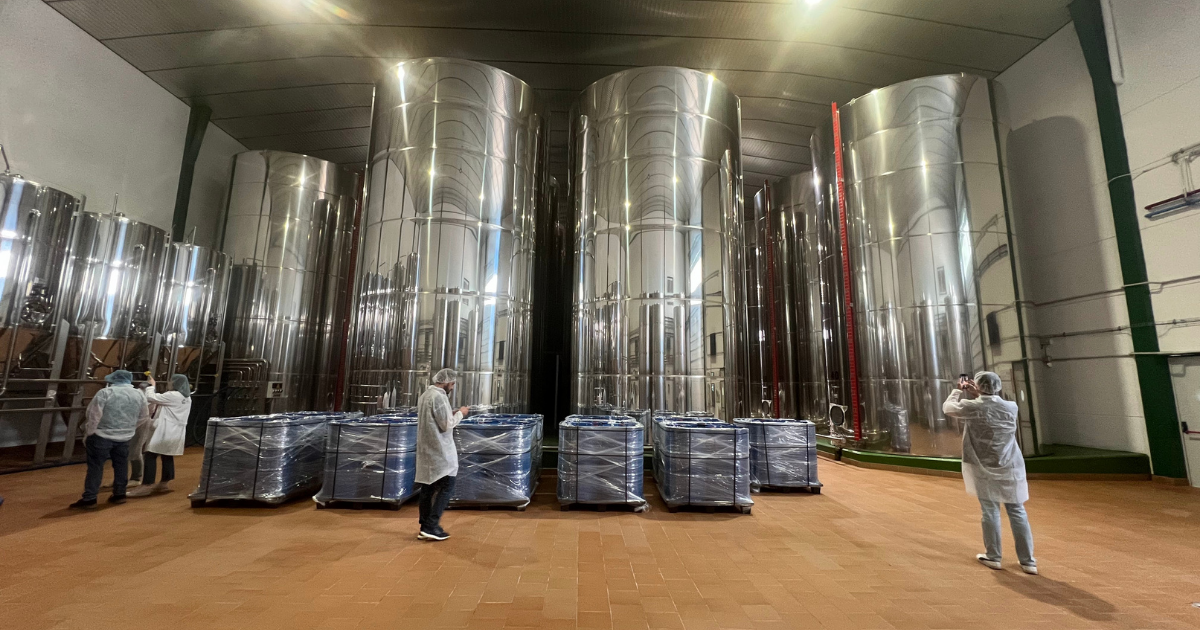
- Improvements in oil storage: incorporating stainless steel tanks with temperature control and inert atmosphere, strengthening quality management in the olive oil mill.
- Team training: staff training in quality control, EVOO traceability, and efficient machinery management.
This transformation enabled the mill to move from reactive management to an efficient management of the olive oil mill, supported by processes of Digitalization in Olive Oil Mills, operational control, and strategic decision-making.
Results: efficiency as a driver of profitability
After two harvest seasons applying these improvements, Olive Oil Mill X achieved tangible results:
- A 7% increase in the average oil yield thanks to better process control.
- A 15% reduction in energy costs in the olive oil mill, consolidating energy efficiency in your olive oil mill.
- A 20% increase in batches classified as premium extra virgin olive oil, strengthening EVOO quality.
- A 10% decrease in storage losses due to improved quality management in the olive oil mill.
- Higher team motivation and commitment, boosting the success of the olive oil mill.
As the manager summarized: “We understood that efficiency was not an expense, but the most profitable investment we could make.”
Key factors to improve operational efficiency in the olive oil mill
This fictional case highlights several key lessons applicable to any project aimed at optimizing operational efficiency in the olive oil mill:
- Measure to manage: without clear indicators, operational efficiency remains invisible.
- Small adjustments generate large savings: controlling consumption, temperatures, or processing times has immediate effects.
- The human factor is decisive: team training and commitment are as important as technology.
- Efficiency drives EVOO quality: stable processes ensure more consistent and competitive oil.
- Certifications in the olive oil mill: they strengthen traceability, quality, and market trust.
Conclusion
The experience of Olive Oil Mill X demonstrates that improving operational efficiency in the olive oil mill is key to achieving the success of the olive oil mill. Profitability does not depend only on the harvest or the market, but on the ability to optimize the olive oil mill through innovation in the olive oil mill, control, and professional management.
Important note
This article presents an illustrative case. To apply operational efficiency in the olive oil mill comprehensively, specialized training, strategic vision, and a global business perspective are required.
In the ESAO Executive MBA – Olive Oil Consultant, we address operational efficiency from a comprehensive perspective: production, energy, quality, marketing, EVOO traceability, and export.
If you want to transform your olive oil mill into a model of efficiency and profitability, the ESAO MBA is the next step.
Authorship and review
Content developed by the teaching team of the Escuela Superior del Aceite de Oliva (ESAO), under the technical supervision of Susana Romera, Technical Director and Co-founder of ESAO.
Our associated faculty of experts, with extensive international experience in the olive oil sector, are selected individually according to the topic and the needs of each project, ensuring maximum quality, rigor, and practical applicability.