.png)
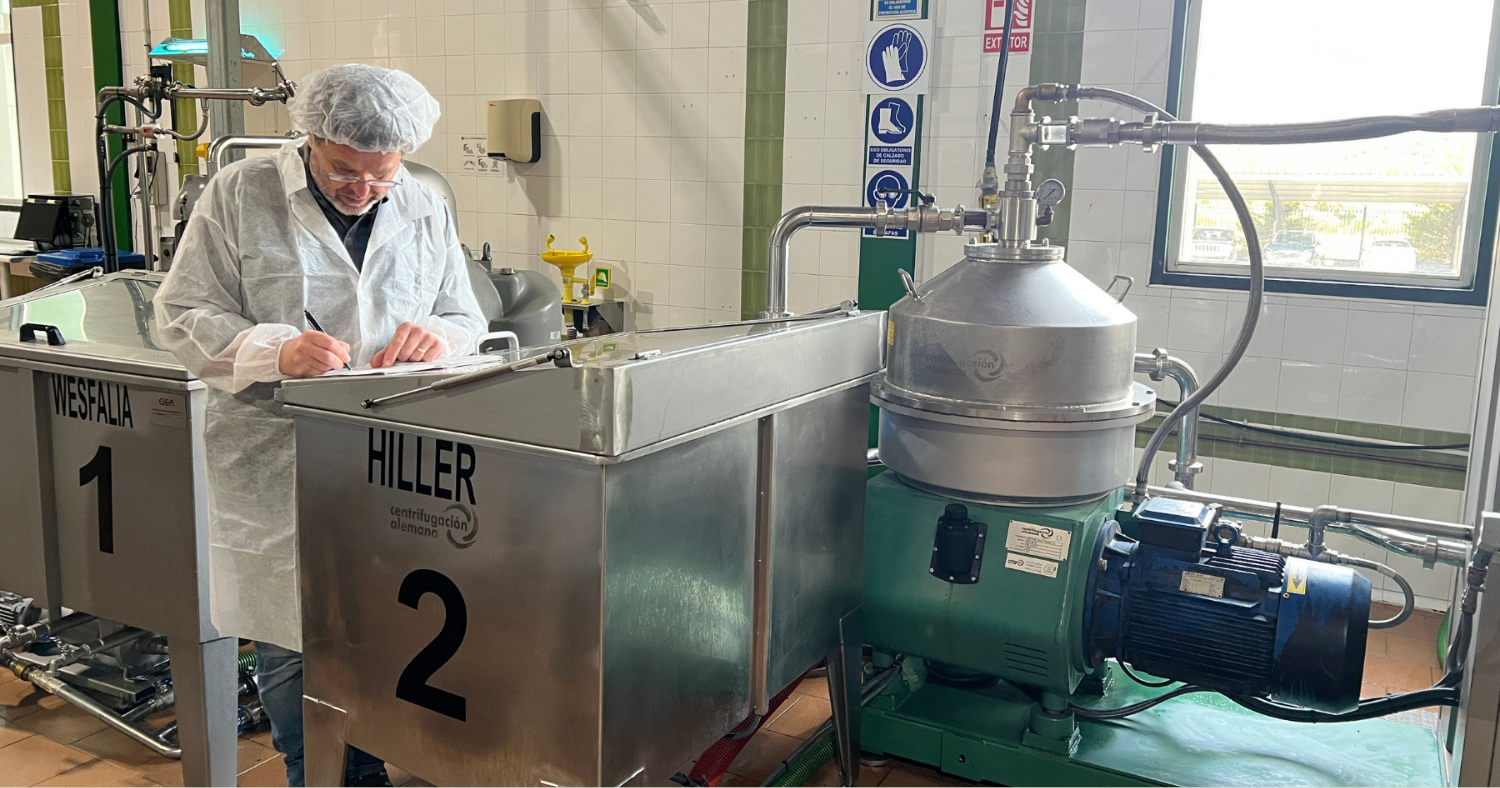
Source: visit to Puerta de las Villas during ESAO’s in-person training
In an increasingly competitive global market, olive mills that do not invest in solid quality management in olive mills systems risk falling behind. It is not only about meeting legal requirements, but also about ensuring stable processes, consistent oils, and a professional image that inspires confidence among both local clients and international importers, especially when aiming for olive mill success.
In addition, if you want to explore real examples of growth and professionalization in the sector, you can consult this article on success stories in olive oil mills, where strategies applied by olive oil companies that have managed to differentiate themselves and grow in competitive markets are analyzed.
In this article, we analyze the benefits of implementing a quality management system in olive mills and the most common challenges that appear along the way, as well as its impact on olive mill profitability and operational efficiency in olive mills.
1. What does quality management mean in an olive mill?
Quality management in olive mills means applying a set of standards, procedures, and controls to ensure that every stage of the process —from olive reception to bottling— meets established standards, guaranteeing EVOO quality.
It is not just about “making good oil”, but about:
- Standardizing processes to reduce variability and optimize the olive mill.
- Measuring and documenting every step to ensure complete EVOO traceability.
- Involving the team in a culture of continuous improvement and professionalization in olive mills.
2. Benefit: higher profitability
A quality management system in olive mills reduces losses, improves yields, and ensures that more batches reach the extra virgin category, avoiding situations of an unprofitable olive mill.
Example:
If 10% of production moves from lampante to extra virgin thanks to better controls, the impact on olive mill profitability is direct and significant.
3. Benefit: customer trust
International buyers and distribution chains look for reliable suppliers.
With solid quality management:
- You can present clear reports on EVOO traceability and controls.
- You build trust to close export contracts.
- You differentiate your brand as serious and professional.
4. Benefit: access to certifications and premium markets
Many certifications (Organic, PDO, PGI, ISO 22000) require documented and consistent processes, which are key for olive mill certifications.
Implementing quality management opens the door to:
- Participating in international competitions.
- Selling in gourmet niches and demanding markets.
- Justifying higher prices with objective support.
5. Challenge: resistance to change
One of the main obstacles is resistance from the team itself. Moving from working “as usual” to following documented protocols is not always easy.
Strategies to overcome it:
- Training and awareness about the importance of quality.
- Showing specific examples of how changes improve results.
- Recognizing and rewarding staff involvement to advance professionalization in olive mills.
6. Challenge: initial investment
Implementing a quality management system requires investment in audits, software, training, and sometimes new infrastructure.
How to approach it:
- See it as an investment, not as an expense.
- Calculate the medium-term return (better prices, fewer losses).
- Look for grants and subsidies for olive mill modernization and to promote innovation in olive mills.
7. Challenge: maintenance and consistency
The biggest mistake is thinking that quality management is a one-time project.
The key is to:
- Review procedures periodically.
- Carry out internal audits and simulations.
- Incorporate quality into the daily culture of the olive mill to improve operational efficiency in olive mills.
8. Connection with digitalization
Today, quality management is increasingly linked to digitalization in olive mills.
Additional benefits:
- Automatic, real-time records.
- Reduction of human errors.
- Greater ease in presenting reports to clients and auditors.
- Improved energy efficiency in olive mills through process control.
Digitalization strengthens quality management and turns it into a competitive advantage.
Conclusion
The implementation of quality management in olive mills systems is one of the most profitable and strategic decisions a manager can make. The benefits are clear: higher profitability, customer trust, and access to premium markets. And although challenges exist —resistance, initial investment, and consistency— they can be overcome with training and business vision, driving olive mill success.
Important note
This article is only a practical introduction. But to truly turn quality management in olive mills into a driver of profitability, it is necessary to acquire strategic and applied training in the olive oil sector.
In the ESAO Executive MBA – Olive Oil Consultant, quality management is approached comprehensively: connecting processes, traceability, digitalization, and commercial strategy.
If you want your olive mill not only to produce good oil, but also to be recognized as a leading and reliable company, the ESAO MBA is your next step.