.png)
Source: ESAO image bank
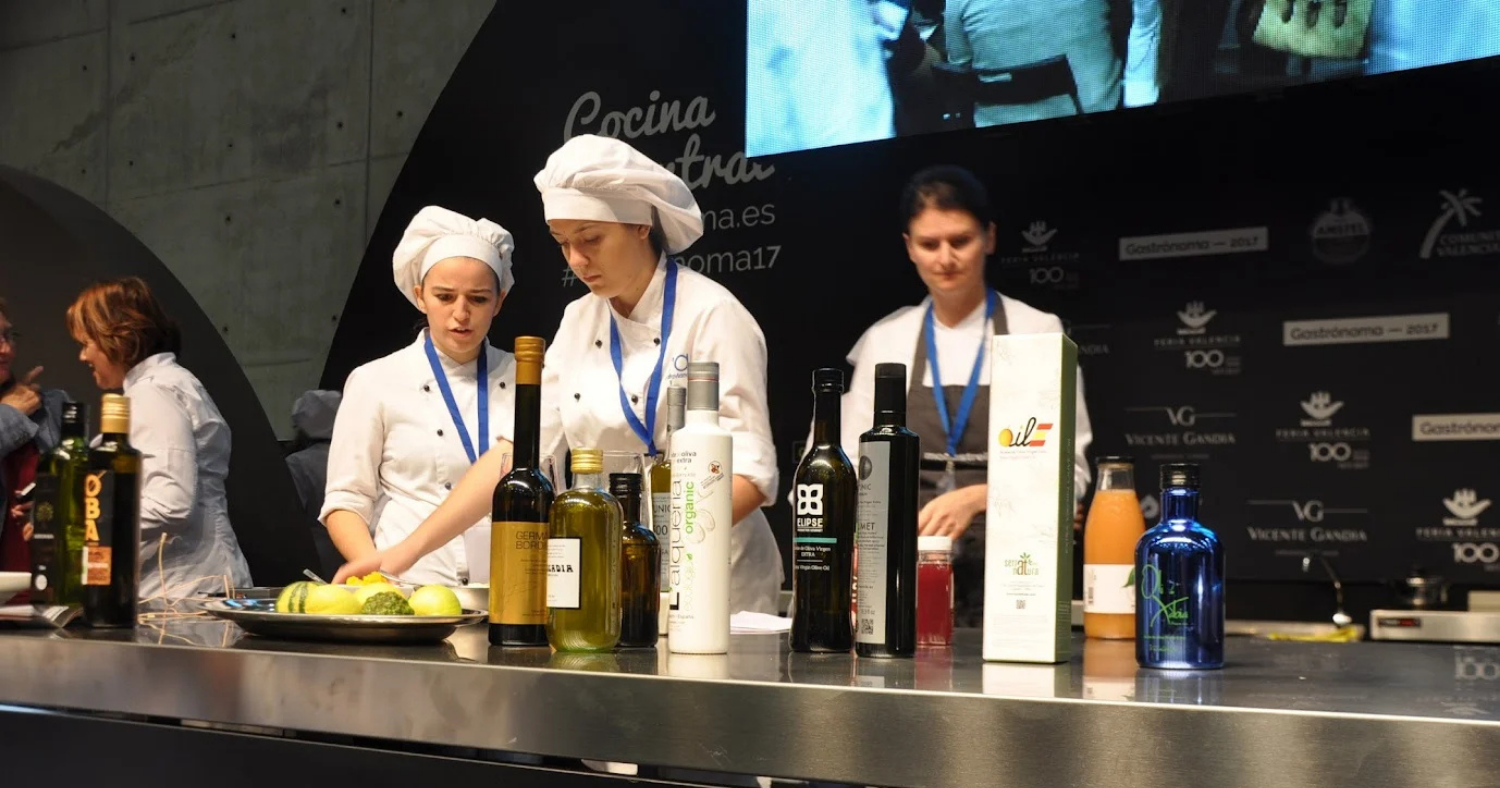
Extra virgin olive oil (EVOO) is an essential ingredient in fine dining, but not all oils are the same or suitable for every use. Each variety has a different sensory profile and a unique gastronomic potential within EVOO in fine dining. Knowing how to select the right EVOO for each type of dish is a key skill for chefs and sommeliers who want to elevate their culinary proposal and offer memorable experiences.
In addition, if you want to explore how to integrate olive oil into a professional gastronomic proposal, you can consult this guide on EVOO on your restaurant menu, where strategies are analyzed to communicate the value of EVOO and improve the customer experience.
1. The importance of choosing the right EVOO
Selecting EVOO is not a secondary act. Oil can enhance a dish or completely unbalance it. An overly intense picual can overshadow a white fish, while a mild arbequina may go unnoticed in a red meat dish.
In fine dining, EVOO is a signature ingredient that conveys identity and professionalism. Choosing it correctly makes all the difference, especially when integrating EVOO into your restaurant menu.
2. Factors to consider when selecting an EVOO
- Olive variety: each one provides different aromas and flavors within the EVOO varieties and regions.
- Harvest timing: an early harvest oil is usually greener and more intense, while a mature harvest oil is softer and sweeter.
- Extraction method: influences freshness, intensity, and stability.
- Sensory profile: balance between fruitiness, bitterness, and pungency, essential for tasting premium EVOO.
- Gastronomic use: cooking technique, type of dish, and diner preference.
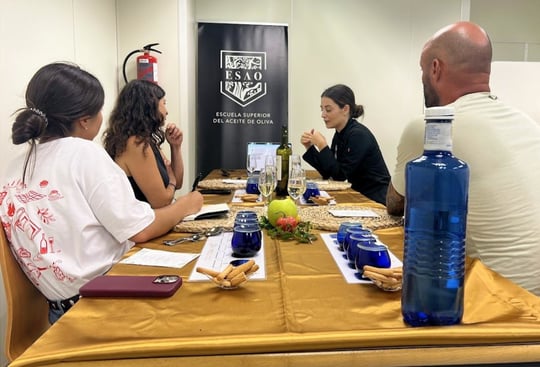
The selection process should be as careful as choosing a wine for EVOO pairings.
3. Selection by type of dish
a) Fish and seafood
-
Arbequina: fresh, fruity, and delicate. Adds smoothness without masking flavors.
-
Empeltre or lechín: sweet oils ideal for ceviches or raw seafood.
b) Red meats and game
-
Picual: intense with green notes that cleanse the palate.
-
Cornicabra: provides nutty nuances and excellent resistance to cooking.
c) Vegetarian dishes
-
Hojiblanca: versatile and balanced, ideal for pasta and grilled vegetables.
-
Koroneiki: a Greek variety that enhances salads and fresh vegan dishes.
d) Desserts and pastry
-
Ripe arbequina: sweet and smooth, perfect for cakes or creams.
-
Infused oils: with vanilla, cocoa, or citrus for innovation in pastry making.
e) International cuisine
-
Japanese cuisine: mild oils for sushi and sashimi.
-
Mexican cuisine: intense picual oils to balance spicy sauces.
-
Scandinavian cuisine: arbequina to accompany fatty fish such as salmon.
4. Selection according to cooking techniques
- Raw use: the purity and freshness of the oil are appreciated, so balanced and expressive varieties are recommended.
- Grill or griddle: stable and intense oils such as picual or cornicabra are needed.
- Baking: arbequina or hojiblanca work well in doughs and pastries.
- Emulsions and sauces: balanced oils that add texture without dominating.
Correct use depends both on the variety and the culinary technique, as well as its application in EVOO pairings.
 Source: EVOO pairing workshop as part of the Olive Oil Sommelier Certification
5. Common mistakes when selecting EVOO
- Choosing based on price instead of quality.
- Not considering the variety and its sensory profile.
- Using the same oil for every dish on the menu.
- Not checking freshness and harvest date.
A mistake in selection can ruin the gastronomic experience, even in a technically perfect dish, especially if you do not know how to taste premium EVOO.
6. The role of the sommelier and chef in selection
The sommelier must understand the sensory attributes of each EVOO and propose its pairing with the menu. The chef, meanwhile, is responsible for integrating it into dish creation.
Both must work together so that the oil becomes part of the gastronomic narrative rather than being relegated to a simple condiment, supported by EVOO staff training.
7. International perspective
In global markets, customers increasingly value the conscious choice of EVOO within EVOO in fine dining:
- In the U.S., variety and menu innovation are highly appreciated.
- In Asia, freshness and balance are key.
- In Northern Europe, sustainability and oil traceability are decisive factors.
Selecting EVOO correctly not only impacts the dish but also the restaurant’s international perception.
Knowing how to select the right EVOO for each type of dish is a sign of professionalism and excellence in fine dining.
A well-chosen oil enhances the menu, reinforces the gastronomic narrative, and positions the restaurant at a higher level, especially when integrating EVOO into your restaurant menu.
Important note
This article is an introduction. Professional EVOO selection requires sensory training, technical knowledge, and constant practice.
In the ESAO Executive MBA – Olive Oil Consultant, you will learn how to taste oils, differentiate varieties, and apply them strategically in the kitchen and dining room, with a practical and global approach that reinforces EVOO staff training.