.png)
Extra Virgin Olive Oil (EVOO) has evolved from being a basic ingredient in the Mediterranean diet to becoming a true protagonist in international fine dining. Chefs and sommeliers use it not only for its flavour, but also for its ability to convey identity, health and gastronomic storytelling. In this article, we explore the current trends in the use of EVOO in fine dining, with practical examples and key insights for those looking to stand out in their restaurant or gastronomic project.
1. EVOO as a culinary signature
More and more chefs use EVOO in fine dining as a mark of authorship. It is not just about cooking with oil, but about selecting specific varieties (arbequina, picual, hojiblanca, coratina…) that provide unique nuances.
The trend is clear: EVOO is incorporated into gastronomic storytelling as a “flagship ingredient”, capable of linking the culinary proposal to a territory, a producer or even a particular cooking style.
2. EVOO pairings: beyond the classics
For years, EVOO was associated with salads, fish or bread. Today, EVOO pairings in fine dining have expanded:
- Red meats with intense, bold picual EVOOs.
- Aged cheeses with coratina oils that enhance their complexity.
- Desserts with sweet arbequina EVOOs that balance acidity.
- Cocktails with infused EVOO that adds texture and originality.
Fine dining aims to surprise diners with unexpected combinations, and EVOO in fine dining is a perfect ally in this exploration.
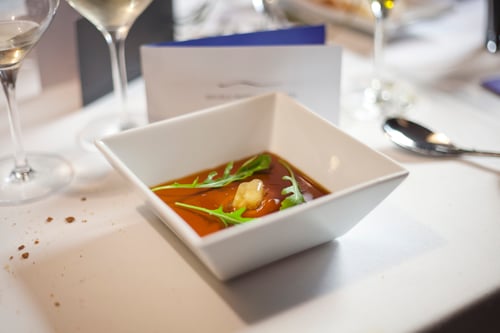 Photo: ESAO Image Bank
3. Innovation: EVOO in desserts and cocktails
One of the strongest trends is the incorporation of EVOO in fine dining into unconventional areas:
- Artisan ice creams made with arbequina EVOO.
- Chocolates infused with aromatic EVOO.
- Signature cocktails in which EVOO provides creaminess and persistence on the palate.
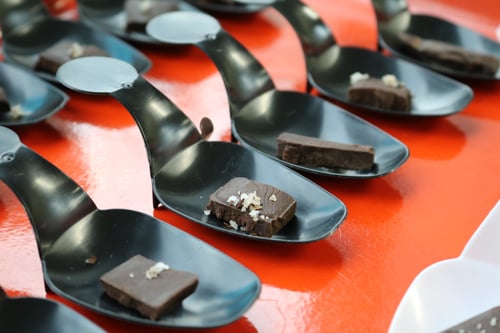 Photo: ESAO Image Bank
This innovation not only enhances flavour, but also creates conversation and added value within the gastronomic experience.
4. Healthy and sustainable cuisine
Today’s consumer seeks gastronomic experiences that are healthy and sustainable. EVOO in fine dining meets both expectations:
- Rich in antioxidants and healthy fats.
- A natural product with minimal processing.
- A direct link to local territories and producers.
Chefs and sommeliers are incorporating EVOO as a way to communicate conscious and responsible cuisine.
5. EVOO as a sensory resource in the dining room
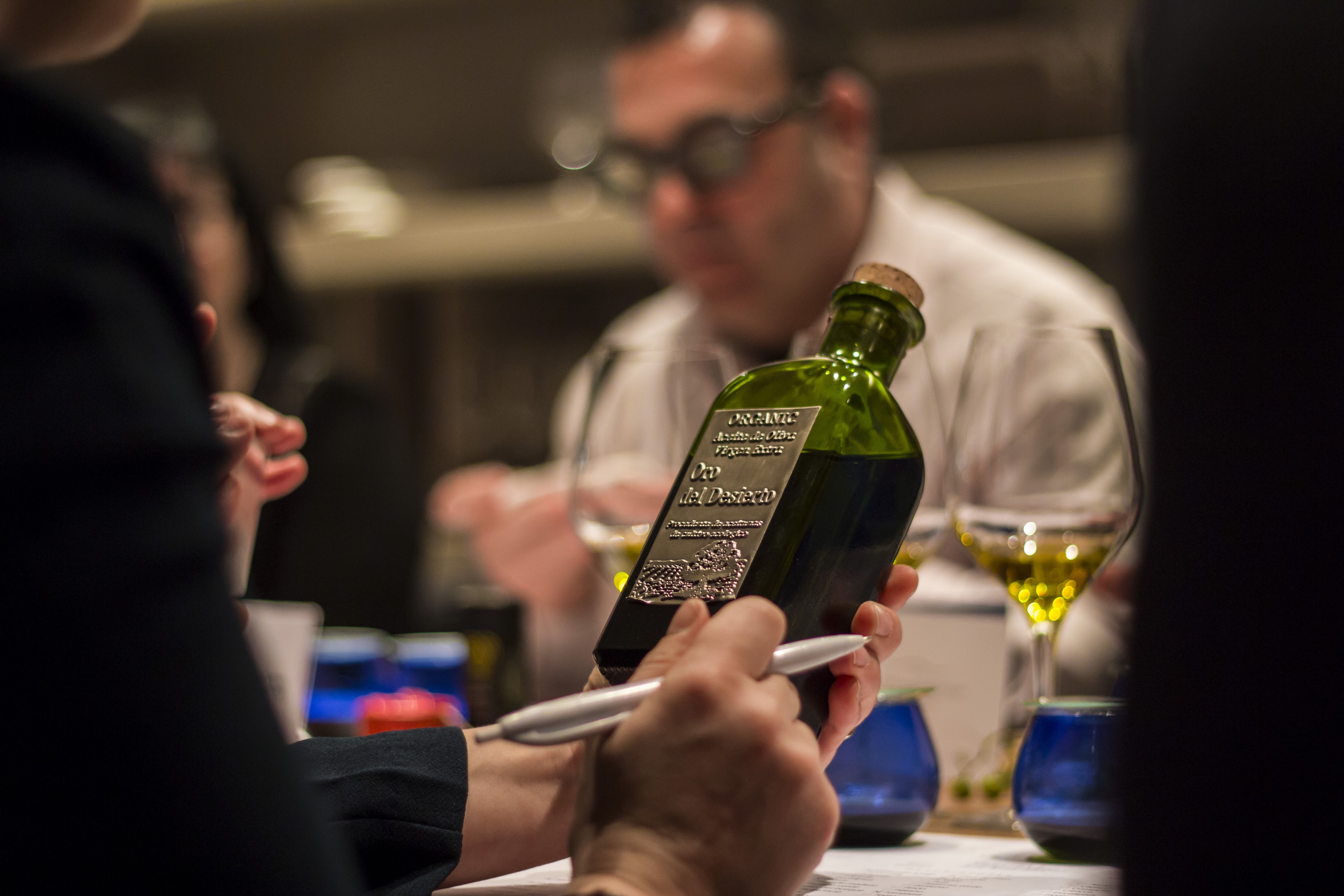
The modern sommelier is no longer limited to wine. More and more restaurants include EVOO on the restaurant menu and offer tastings as part of the experience.
- Presenting different EVOO varieties at the start of the menu.
- Explaining the sensory attributes of EVOO using language similar to wine tasting.
- Offering EVOO pairings in the same way as wine or beer pairings.
This trend turns EVOO into an educational and differentiating resource within table service.
6. Gastronomic storytelling and experiential marketing
The fine dining guest seeks experiences. EVOO, closely linked to territories and producers, offers a story worth telling:
- “This oil comes from a century-old olive grove in Andalusia.”
- “It is produced by a family with three generations of experience.”
- “It has been awarded in international competitions for its green fruity profile.”
Incorporating EVOO in fine dining into the narrative strengthens menu value and enhances the restaurant’s perceived quality.
7. Internationalisation of EVOO in fine dining
EVOO in fine dining is no longer exclusive to Mediterranean cuisine. Restaurants in Asia, the Americas and Northern Europe use it as a symbol of sophistication and health.
- In the USA, chefs integrate it into tasting menus as a premium ingredient.
- In Japan, it is paired with raw fish and used in avant-garde cocktails.
- In Scandinavia, it is combined with local vegetables in minimalist and sustainable proposals.
For chefs and sommeliers, mastering EVOO in fine dining means aligning with a global trend.
8. Training: the key to making the most of these trends
Although these trends are inspiring, applying them correctly requires sensory and technical training. It is not enough to add EVOO to a dish: one must know how to choose the right variety, describe it accurately and communicate its value to diners.
The risk of staying on the surface is offering EVOO without clear criteria, missing the opportunity to differentiate and convey a strong gastronomic message.
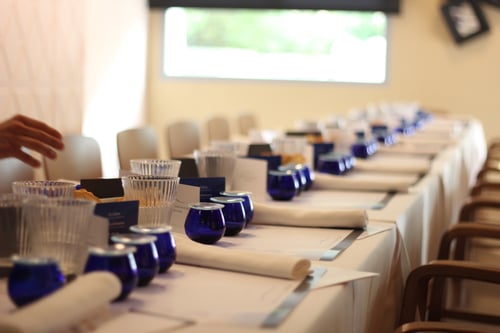 Photo: ESAO Image Bank
The trends of EVOO in fine dining show that this product has moved from being a complement to becoming a central pillar of the gastronomic proposal. From innovative pairings to narratives of sustainability and health, Extra Virgin Olive Oil positions itself as an indispensable resource for chefs and sommeliers seeking excellence and differentiation.
Important note
This article is an introduction. To truly master EVOO in fine dining, structured and practical training is required.
In the ESAO Executive MBA – Olive Oil Consultant, you will learn to interpret trends, taste with precision and apply EVOO as a differentiating resource in both kitchen and dining room service, with an international vision and real practical experience.
Content developed by the teaching team of the Escuela Superior del Aceite de Oliva (ESAO), under the technical supervision of Susana Romera, Technical Director and Co-founder of ESAO.
Our associated expert faculty, with extensive international experience in the olive oil sector, is selected according to the topic and needs of each project, ensuring the highest level of quality, rigour and practical applicability.